At the Oaxacan Table: Maize, Mole and Comal
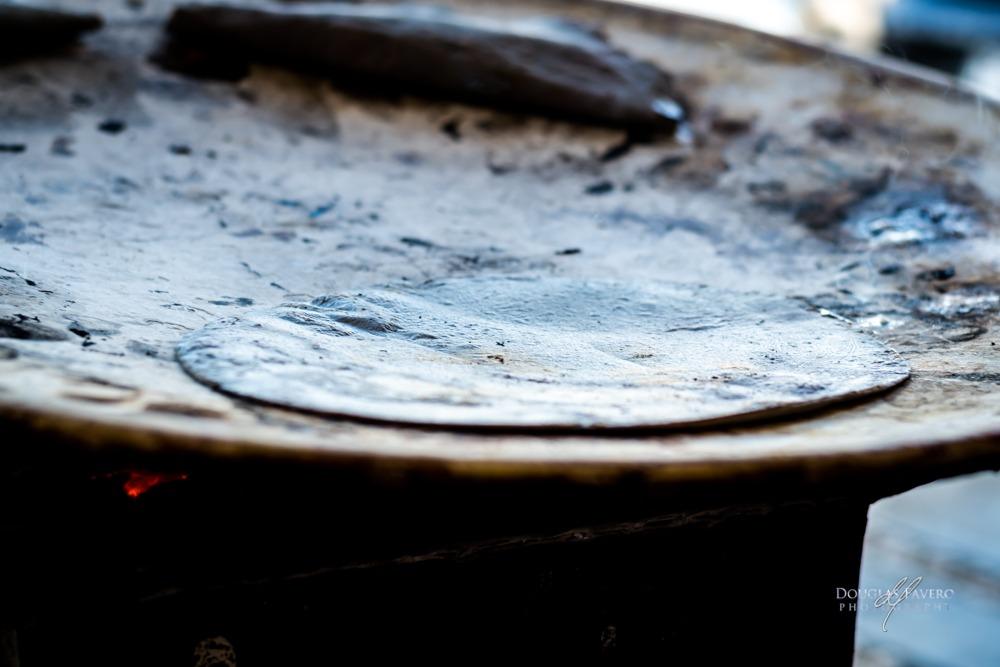
Photo: Douglas Favero Photography
In Oaxaca the table begins at the comal. On that flat, hot griddle the tortilla is made, and from the tortilla come nearly all the dishes that define the state’s cooking. Oaxacan cuisine changes from region to region: in the Central Valleys the tamal is not the pilté of the Papaloapan, which is made with hominy corn. These are five flavours worth tasting without hurry.
The tlayuda, tortilla and dish
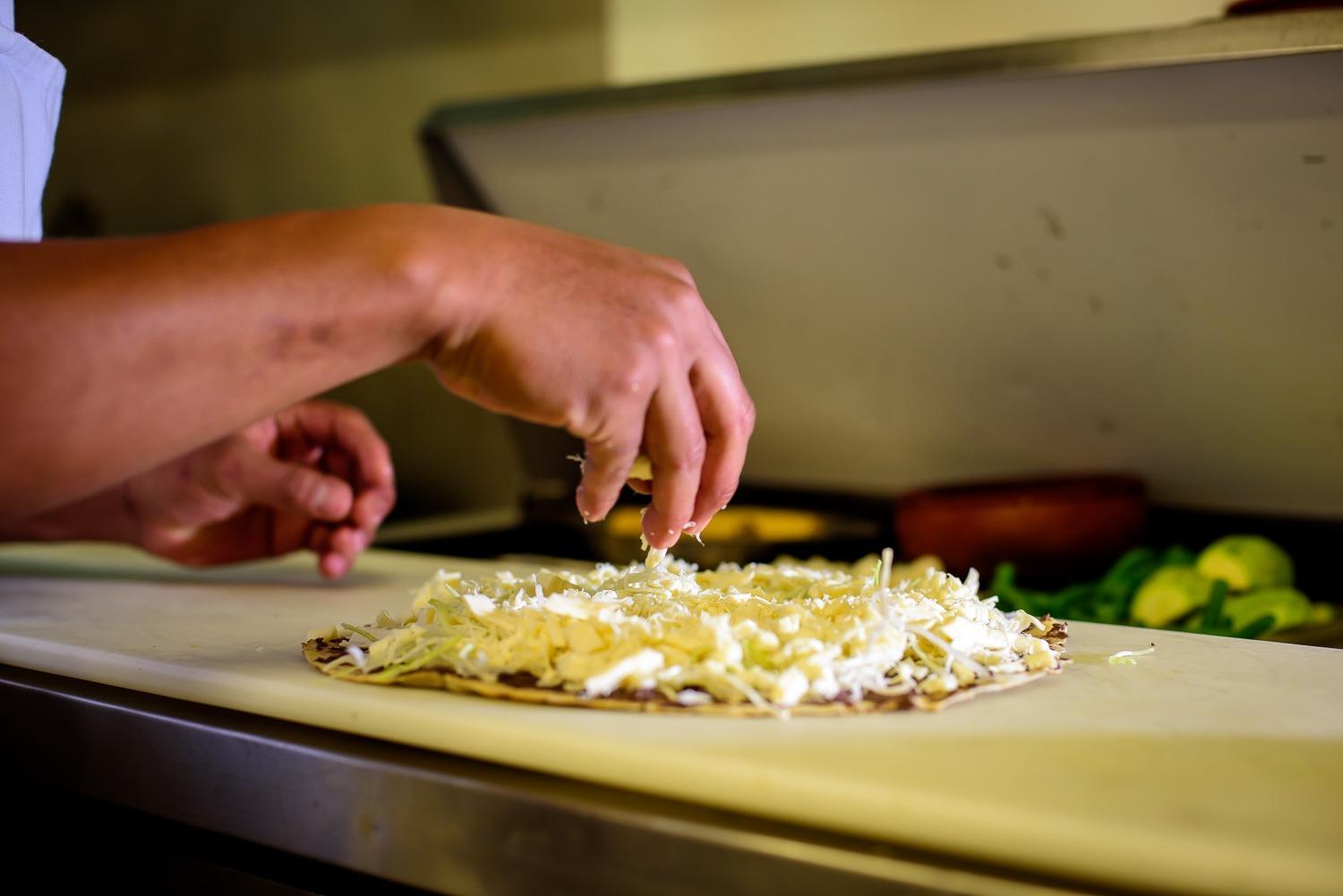
The tlayuda is the large tortilla, about 30 centimetres across and firmer than ordinary ones, and it is also what is served on it: beans, avocado, cheese and quesillo, tomato, sometimes guacamole and a salsa on the side. It may include tasajo, dried beef, but that is optional; anyone who does not eat meat can ask for it without.
Its name comes from the Nahuatl tlaolli, “shelled corn,” to which a suffix suggesting abundance is thought to have been added. It is probably of pre-Hispanic origin, since all of its ingredients, the tortilla included, existed before the Spaniards arrived, except the tasajo.
Oaxaca has 35 of the 64 races of maize found in Mexico, and there are signs that its domestication may have begun here and in the neighbouring part of Puebla, as the caves of Mitla and Cuicatlán suggest.
The memela
The memela is a tortilla thicker and smaller than usual, almost always oval. It is warmed on the comal and spread, in this order, with asiento (lard with bits of crackling), beans and cheese or quesillo, or both. It may carry cecina enchilada, chicken or tasajo, and always a little salsa. It can be found in any restaurant, at street stalls and in every town.
The tamal
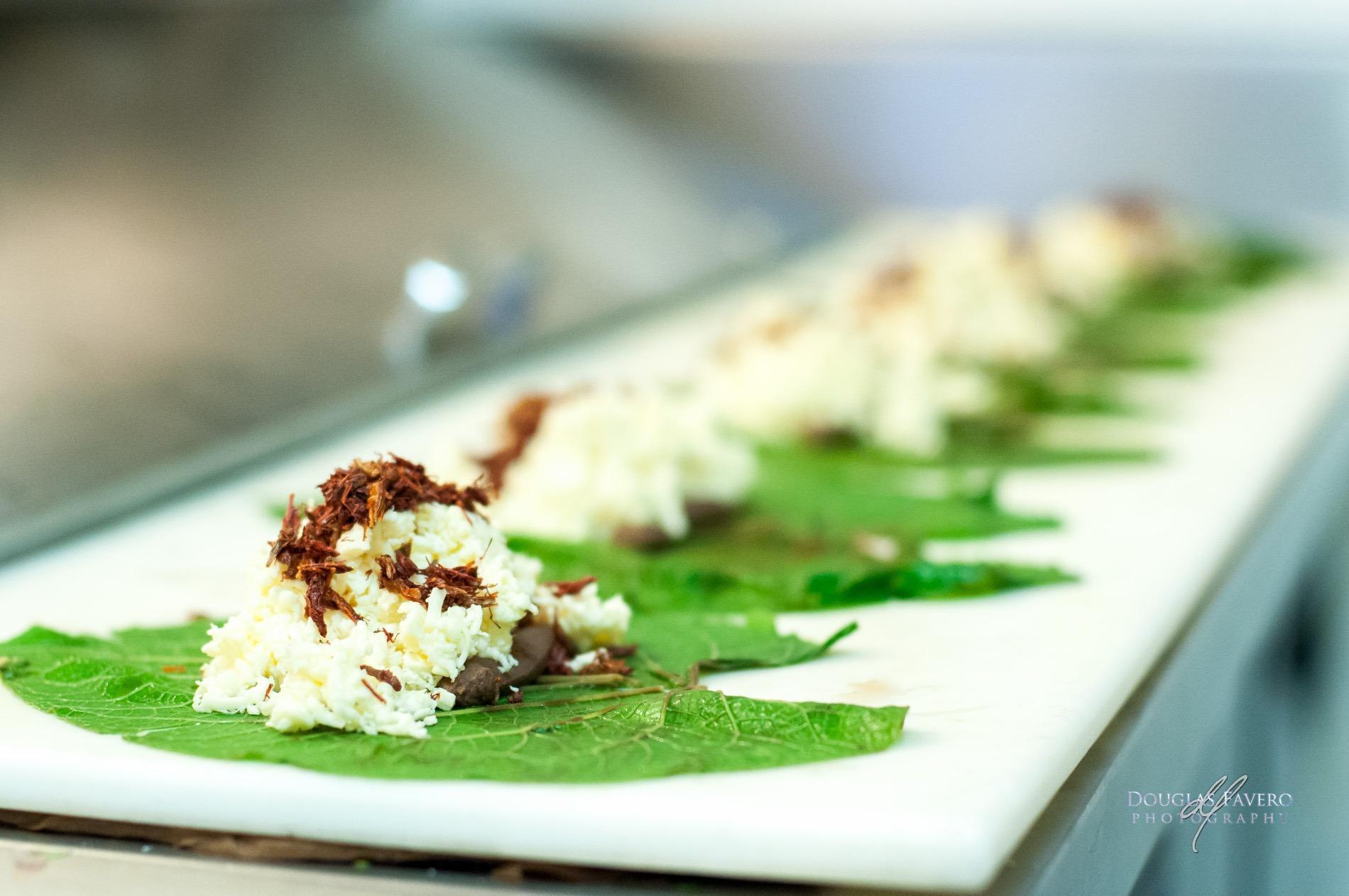
Mexico has many tamales and Oaxaca, it is said, has the most varied. It is even said that they existed before the tortilla. They are customary at the feast of Candelaria and usually come with atole or champurrado. In the valleys they are filled with black mole, green salsa, yellow mole or chepil; in the Papaloapan the pilté holds a special red salsa and chicken. In the Cañada there is a tamal of tesmole, wrapped in banana leaf, known as the gateway to its cooking, and in the Isthmus, fish tamales.
The moles
The most representative mole is the black one, but the variety goes well beyond it. Every place gives it its own touch, and that diversity owes much to the enormous variety of chillies in Mexico.
Its origin is pre-Hispanic. Indigenous peoples blended chillies with pumpkin seeds, hierba santa and tomato, and called the mixture mulli; they served it with turkey. With the Spaniards came new ingredients and the mole changed: anise and cinnamon were added and it was served with chicken and pork.
Seven moles worth tasting:
- Amarillo (yellow). Found in tamales and in empanadas at the Benito Juárez market. It is not yellow but orange, and is traditionally served with chochoyotes, small dough dumplings.
- Coloradito. Red, thinner than the yellow and with a hint of sweetness. Easy to find in restaurants.
- Verde (green). Its colour comes from green tomato, herbs such as epazote, and green chilli.
- Chichilo. A ceremonial mole, thick and dark brown. It is not common and is made more around the Day of the Dead.
- Manchamanteles. Served with pork. Best tried in a village, where each kitchen gives it its own character.
- Rojo (red). Perhaps the most famous: it contains ancho and pasilla chillies, sesame, almond, chocolate and onion, and is served mostly with chicken.
- Negro (black). The most emblematic. It is served at festivals such as the Day of the Dead and the Guelaguetza, and prepared in chocolate houses and mole mills. Its ingredients vary, but usually include chillies (the chilhuacle among them), sesame, pumpkin seed, raisins, pepper, chocolate, oregano, cinnamon, salt, sugar, plantain, onion, tomato, peanuts and walnuts. There is even a black mole tamal with chicken.
The chapulines
They are not a dish, but they are eaten widely in Oaxaca: in a tortilla, over tlayudas, or as a snack with quesillo.
If you would like to sit at these tables with someone who knows the kitchens, the markets and the families behind them, begin a conversation with us.
Sources: El Universal; El Poder del Consumidor; Food and Wine en Español; Government of Mexico (Agriculture); and the author’s own knowledge and that of Oaxacan cooks.