Monte Albán: A Zapotec City Across Three Hills
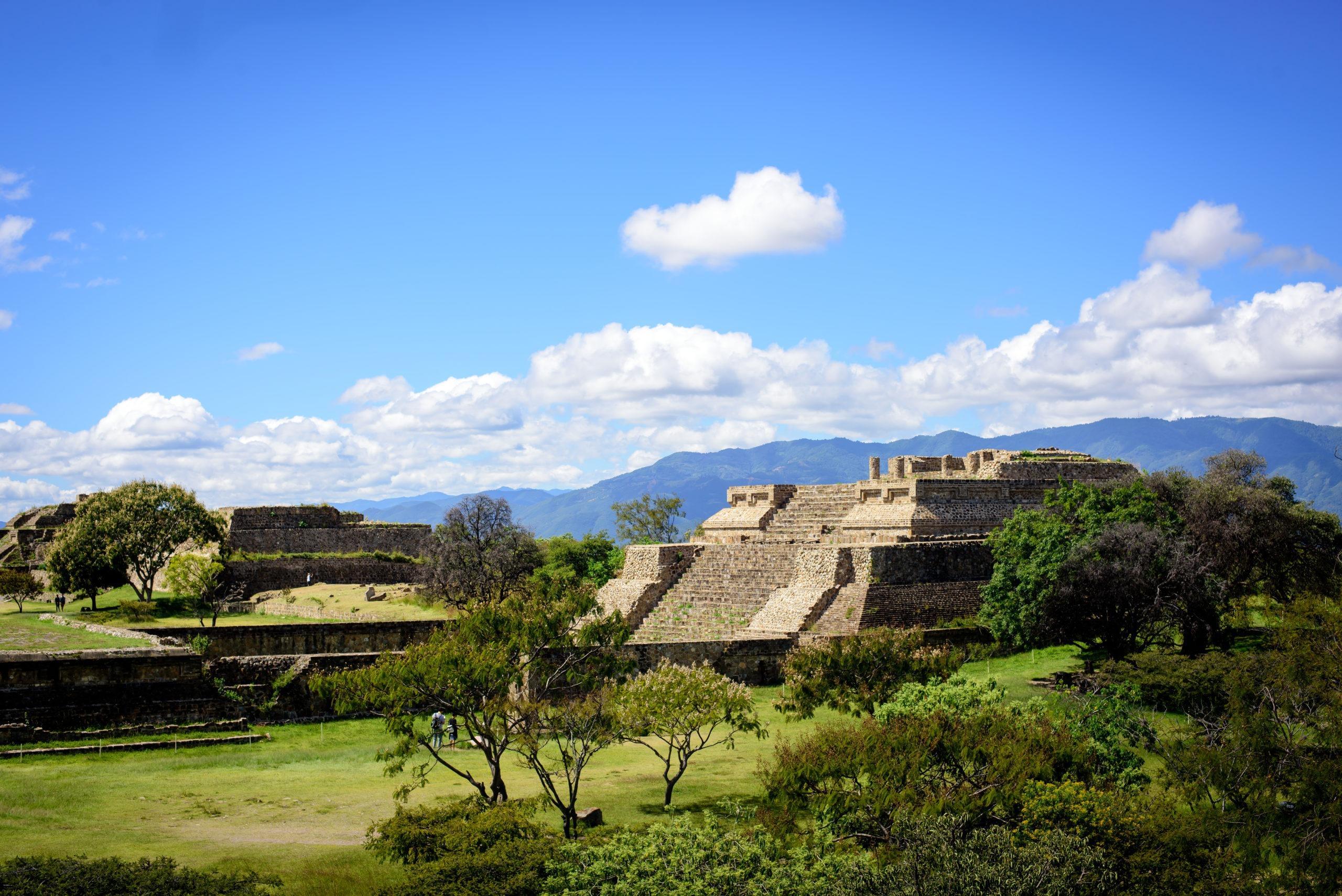
Photo: Douglas Favero Photography
Monte Albán was the capital of an empire that ruled all of Oaxaca and parts of Guerrero, and it is now a UNESCO World Heritage Site. To understand it, it helps to begin with its name, because almost everything here is spoken of in more than one language.
One name, three languages
Its pre-Hispanic name is unknown. The present one is attributed to a soldier who owned the land in the sixteenth century, whose surname may have been Montalbán or Monte Albán. In Mixtec it is called Yucucuy, “green mountain,” and in Zapotec Daniva, “sacred hill.”
Three hills, not one plaza
The archaeological zone is not limited to the main plaza. The complex spans three hills: Atzompa, El Gallo and the one where the Main Plaza stands today.
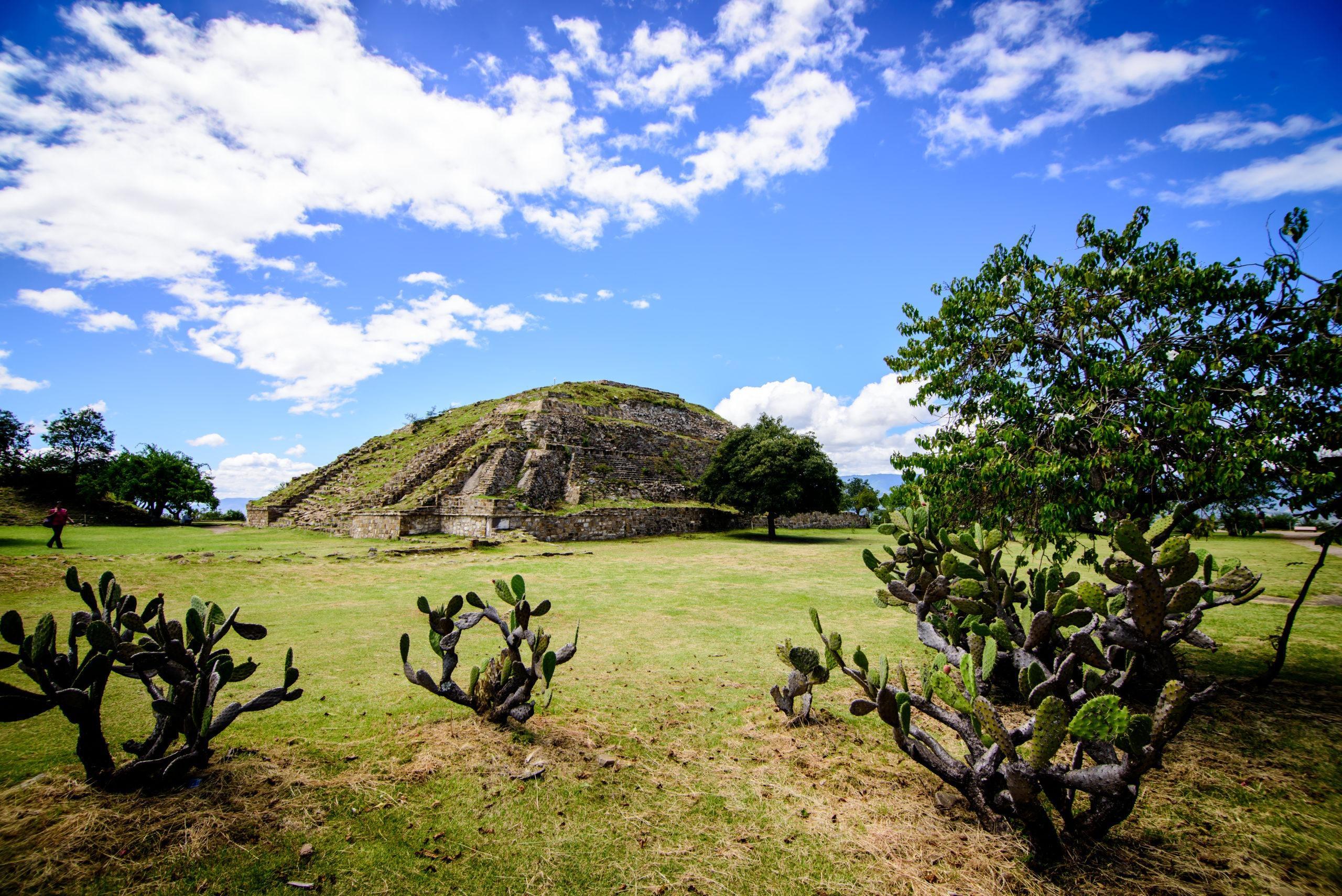
Its first settlers arrived in the Middle Preclassic, between 1000 and 500 BCE, when people from the Valleys of Oaxaca began to settle here. The first stable settlements, between 500 and 100 BCE, lay close to whatever sustained life: water, dense vegetation and food. The houses were of straw and wood; adobe and stone came later.
Who lived here
Like all of Oaxaca, Monte Albán was a city of several cultures in different eras. The Zapotecs founded it, and their military strength gradually extended control over many towns and brought in people to work and enlarge the buildings, until the city reached about 35,000 inhabitants.
In the Postclassic the Zapotecs stopped using it as their capital. The Mixtecs, who already held influence in the region, occupied the place and reused its complexes and even its tombs.
Government between gods and alliances
Monte Albán was the first state system in Mesoamerica and had a hierarchical organisation, with kings and priests who coordinated the population to sustain trade with other regions and to remain self-sufficient.
The system probably arose when the Zapotecs still lived in villages and gradually took on a religious meaning. Rulers were believed to be instructed by the gods and able to speak with them, which is why people listened to them and helped raise the city. Not all of the builders came from Zapotec territory: the city’s military power was great as well, and its conquests and alliances brought many people to work there.
The stone and its architecture
The earliest houses were simple, with stone tombs. As social classes appeared, so did the leaders of the village, and with Zapotec expansion more people arrived for public works. That is how the building of the city began.
In those early times many stones known as danzantes, “dancers,” were carved. Between 100 BCE and 200 CE new buildings rose and some were altered; elements such as niches also arrived. The largest and most important buildings served ceremonial, public or residential purposes, and each period’s Zapotec elite occupied them.
If you would like to walk Monte Albán unhurriedly, with someone who reads it alongside you, begin a conversation with us.