Oaxaca's Ethnobotanical Garden, a Dominican Orchard Reborn
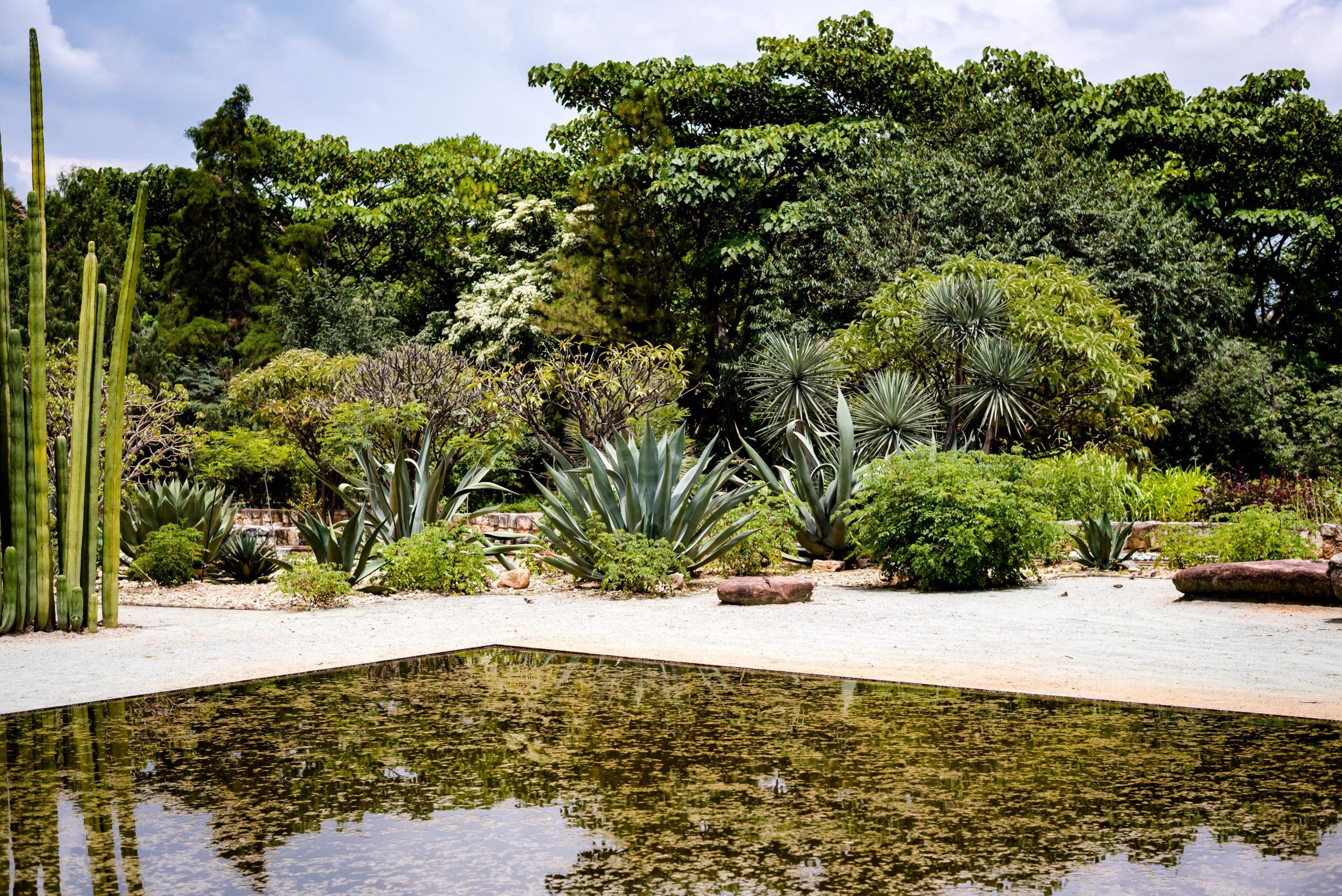
Photo: Douglas Favero Photography
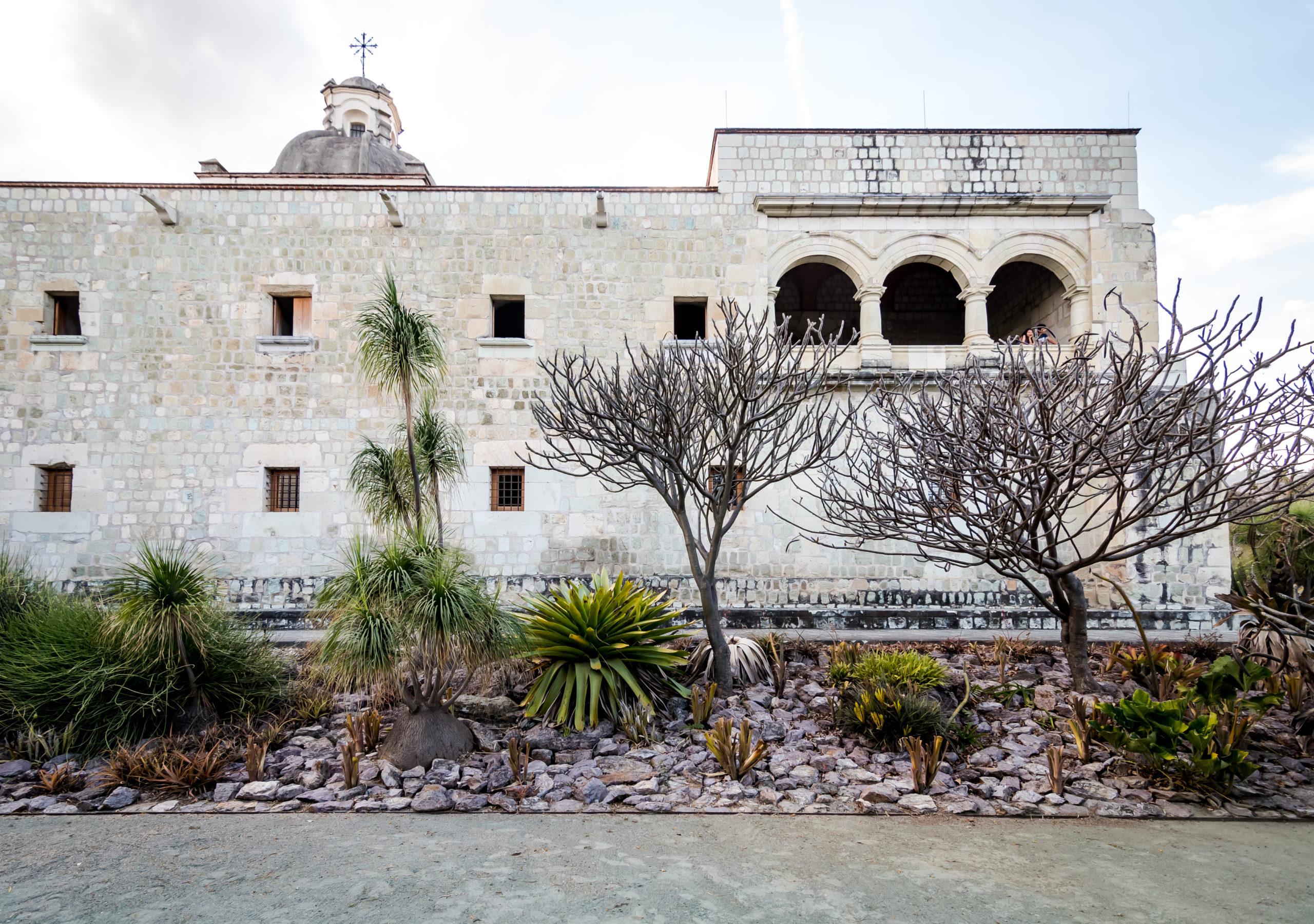
Behind the former convent of Santo Domingo lies a garden that was once an orchard. The Dominican friars used it as an orchid house and a kitchen garden, and the ground still shows traces of that daily life: the remains of ovens, irrigation canals, ponds and a cobbled avenue. Today the same space gathers plants from all eight regions of Oaxaca.
The friars’ orchard
The quarry-stone ovens you see in the garden were used to build the whole convent complex. They are archaeological remains of a trade that left its mark on the stone of the city.
From barracks to garden
In the mid-nineteenth century the site became an army barracks, and it remained one until 1994; the army’s coat of arms of that time can still be seen at the entrance. The land was never returned to the church. In 1998 the planting of species native to Oaxaca began, not only from the central valleys but from every region and climate of the state.
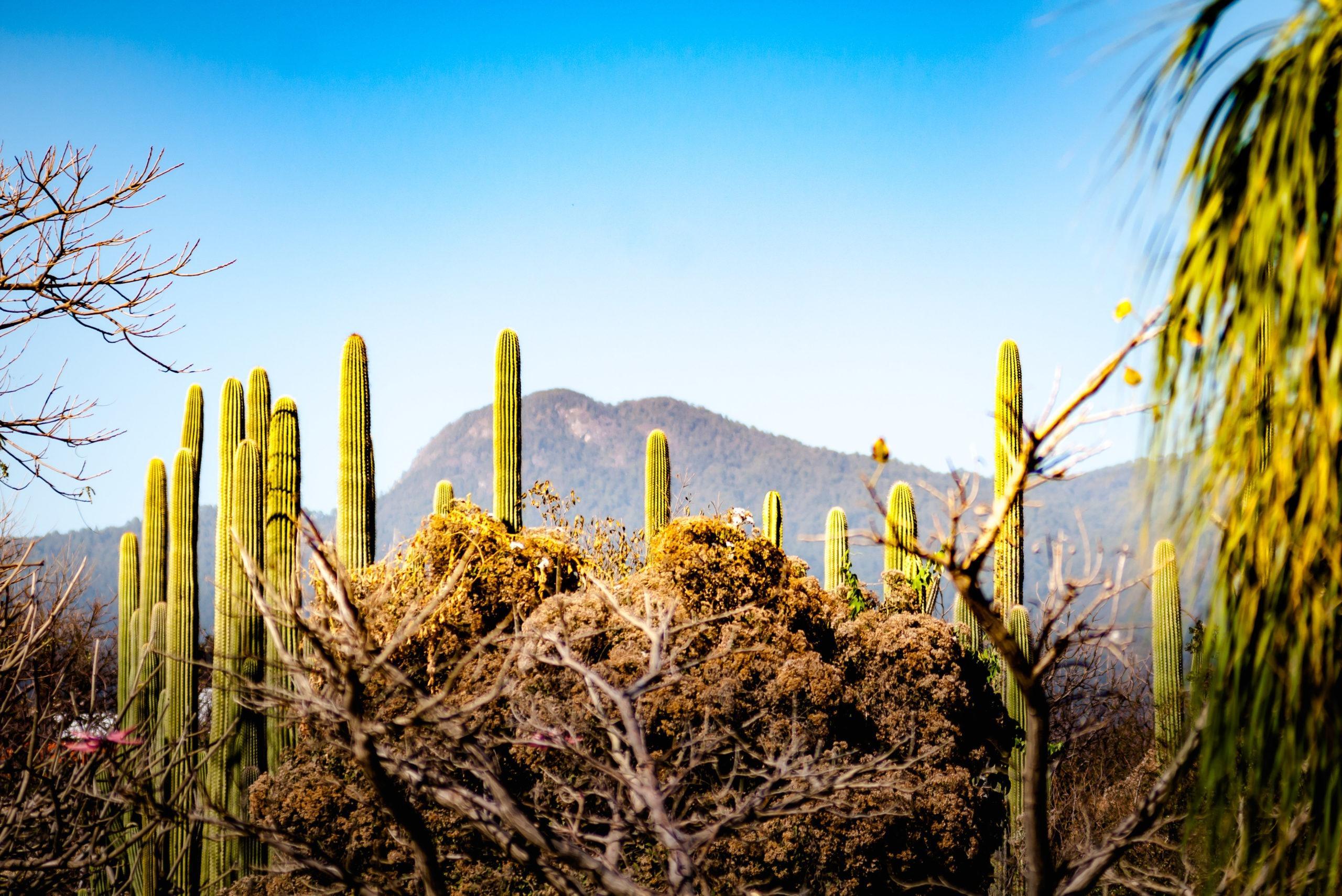
Today the garden is organised by ecosystem and soil type, and it separates the domesticated or culturally significant plants from the wild ones, which come from Oaxaca’s immense ecological diversity. It also holds a library on plants, a nursery, a seed bank and a herbarium.
A guided visit
The garden is visited only with a guide, and we can arrange the visit within your itinerary.
To see it unhurriedly, with someone who can read the plants for you, begin a conversation with us. Information from the garden itself: jardinoaxaca.mx.