Teotitlán del Valle: Weaving Wool, Dyeing with Cochineal
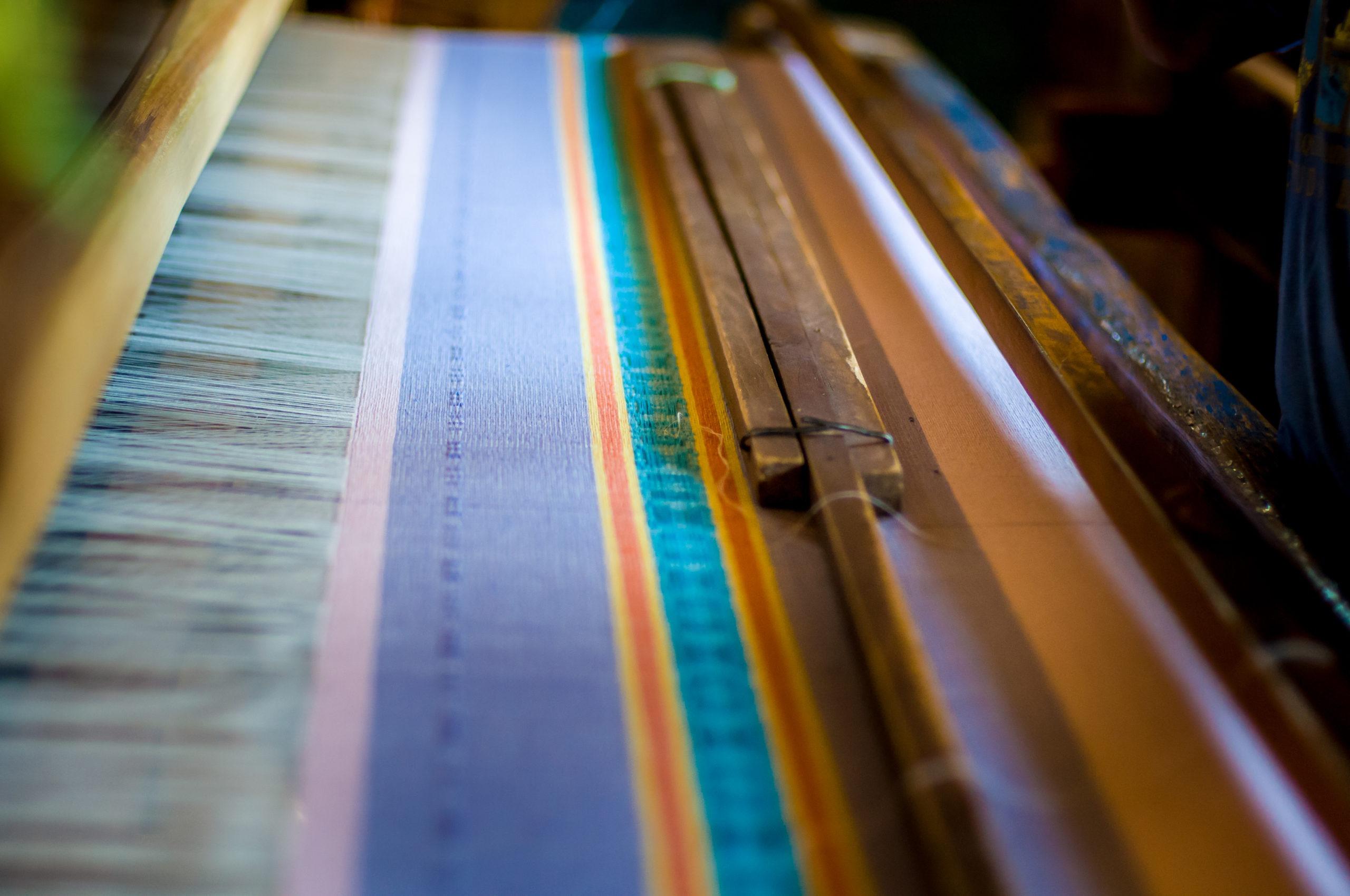
Photo: Douglas Favero Photography
A pedal loom, sheep’s wool and a red drawn from an insect, the cochineal. In Teotitlán del Valle these are the materials of the tapete, the handwoven wool rug that has given this village of the Central Valleys its name in textiles. Other communities in Oaxaca weave them too, but Teotitlán is the one most closely identified with the craft.
Land of the gods
The name comes from Nahuatl and means “land of the gods.” The village church stands on a pre-Hispanic platform, one more sign of how the ancient and the colonial share the same stone.
From the fleece to the loom
Everything begins with the wool. The sheep is sheared, the wool is dyed and spun, and the more the wheel turns, the less the thread unravels.
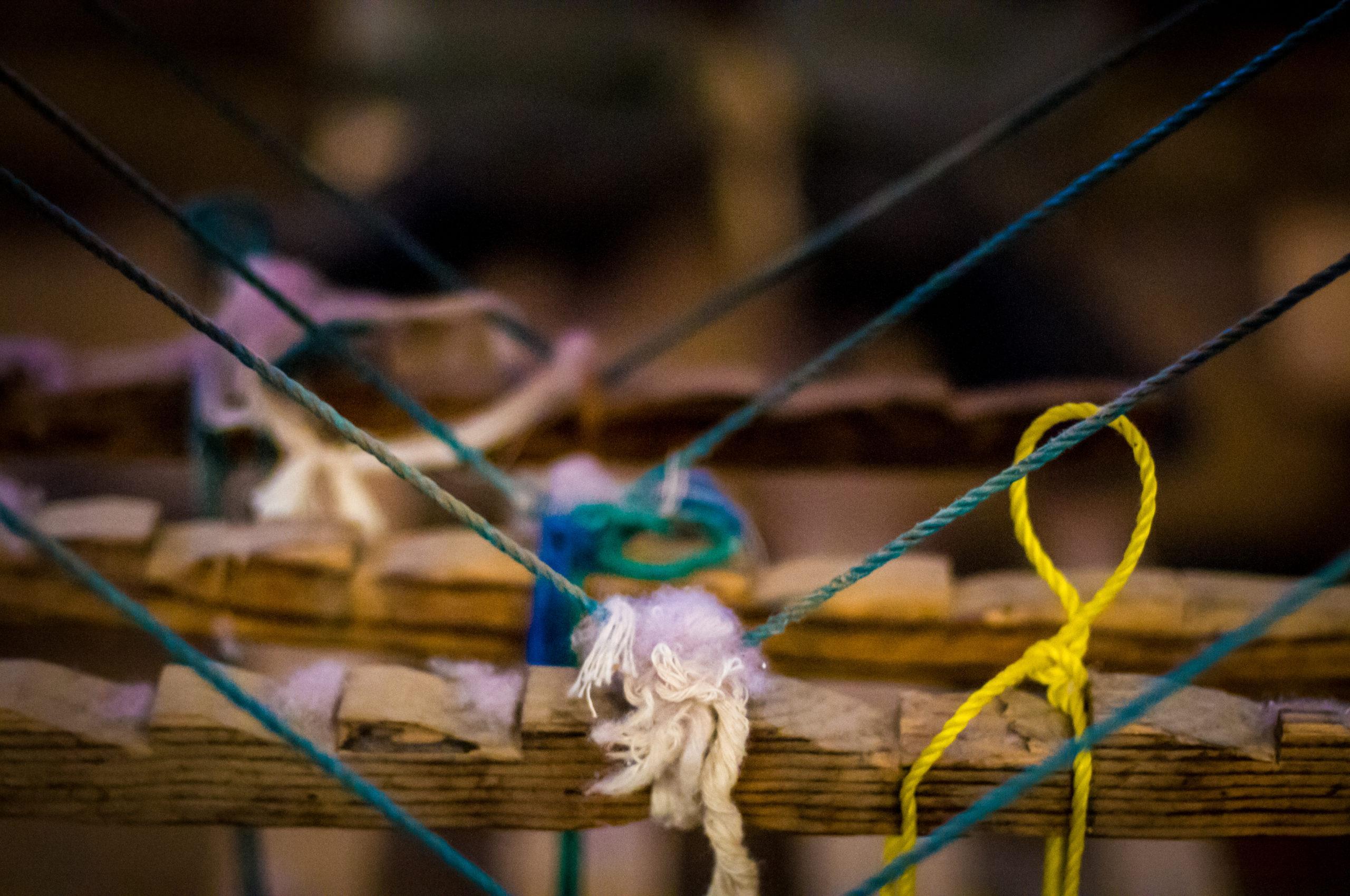
The colours come from natural dyes; one of them is grana cochinilla, cochineal, a pigment extracted from an insect.

Once the yarn is ready, the wool moves to the pedal loom and the weaving begins.
What a rug can tell
A tapete may reproduce a pre-Hispanic codex, a painting by a local or an international artist (Vincent van Gogh among them), or a composition the weaver has devised alone. Each piece is, in that sense, a decision made by the person who weaves it.
If you would like to visit the workshops of Teotitlán unhurriedly, and hear from the people who work in them how a rug is made, begin a conversation with us.
Sources: Cultura Colectiva; Arqueología Mexicana, “Recorridos por Oaxaca: Valles Centrales,” Guía visual no. 24.