Category: English
The Dominican Route: Sixteenth-Century Stone and Devotion
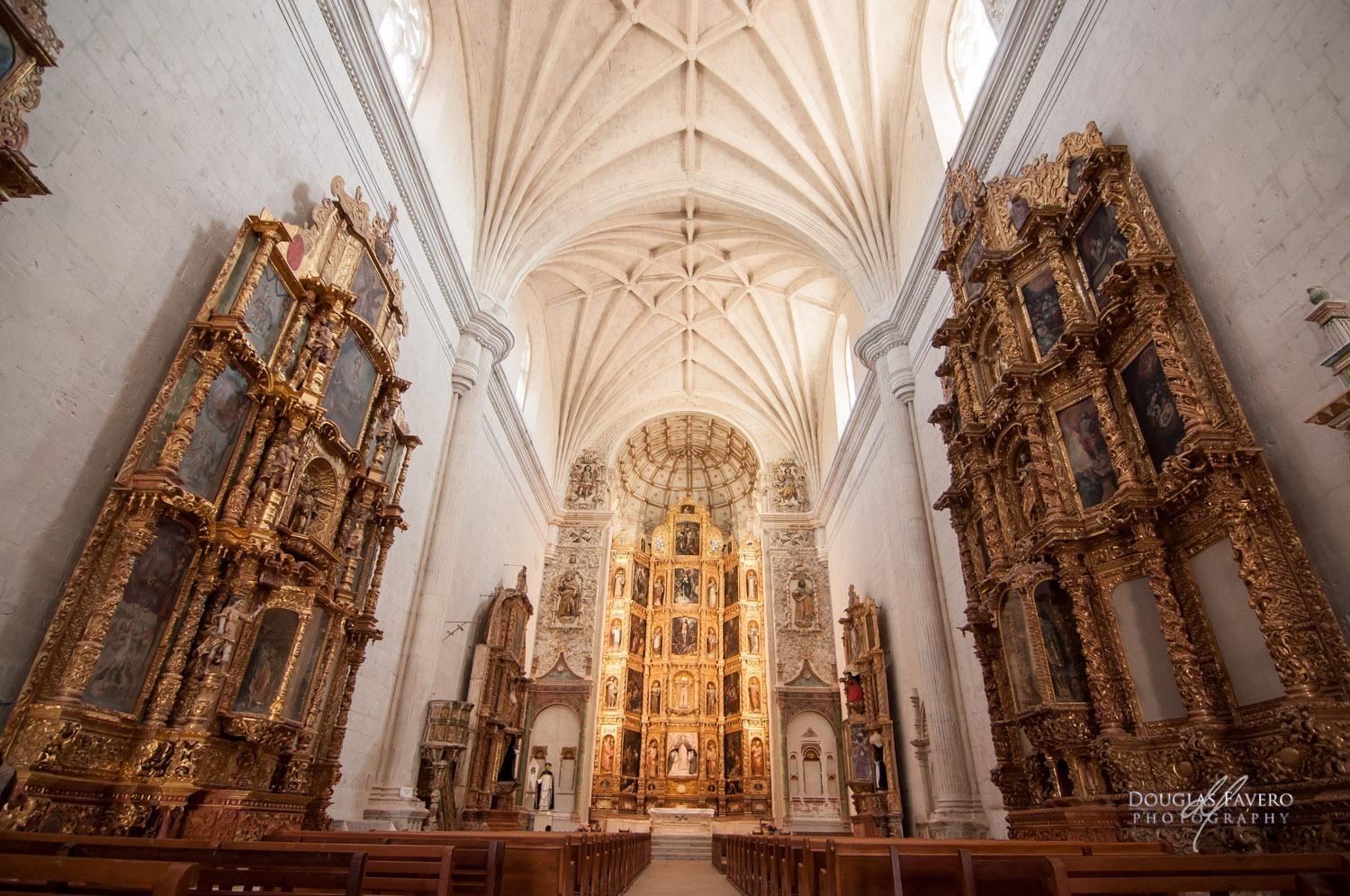
After the conquest, Dominican friars raised stone churches and convents across Oaxaca that are still recognised by their vaults, their altarpieces and their open chapels. The Dominican Route brings together the five that stand out, all from the sixteenth century, in the years of evangelisation. San Pedro Apóstol, Villa de Etla Dominican friars built it… Read more
Monte Albán: A Zapotec City Across Three Hills
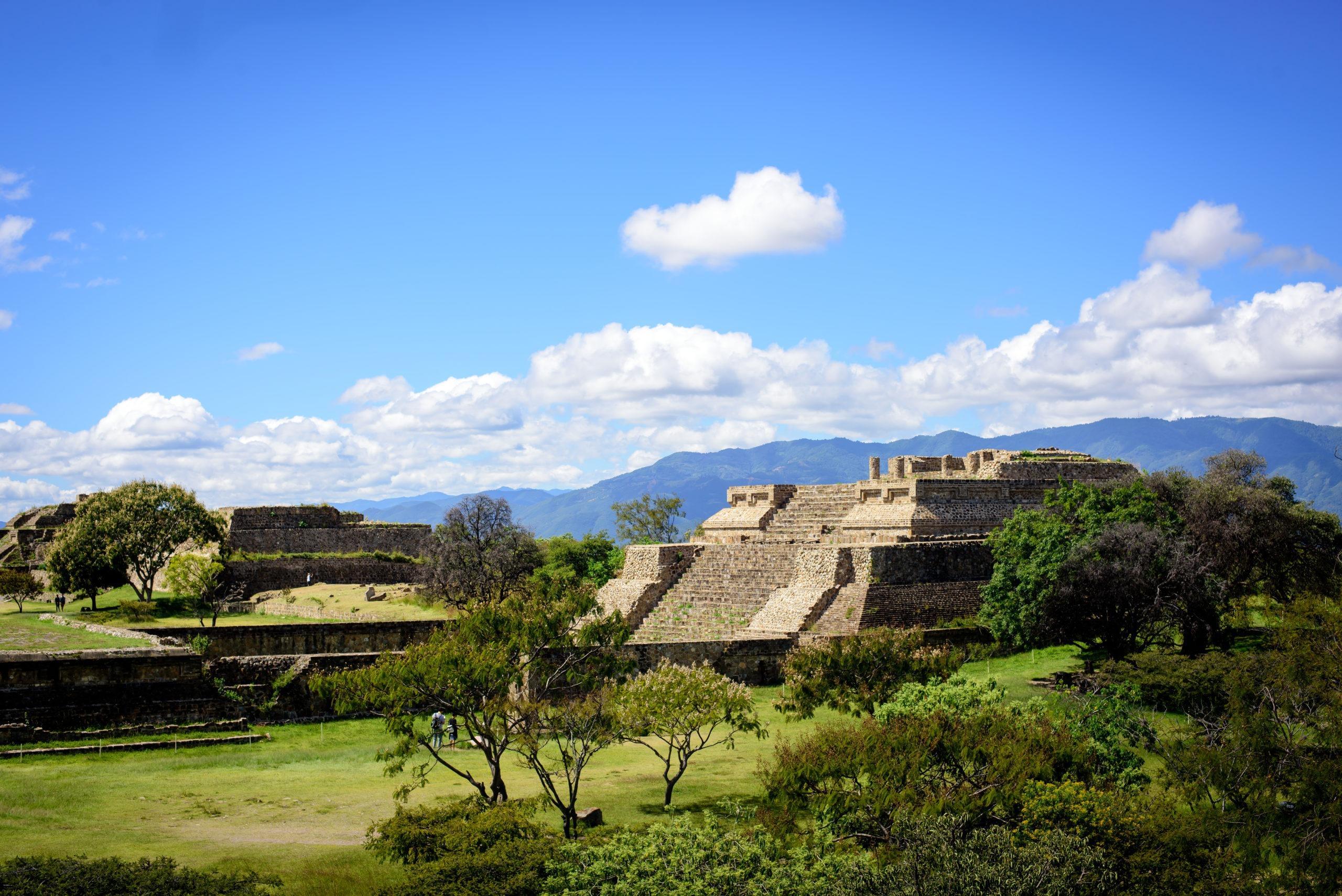
Monte Albán was the capital of an empire that ruled all of Oaxaca and parts of Guerrero, and it is now a UNESCO World Heritage Site. To understand it, it helps to begin with its name, because almost everything here is spoken of in more than one language. One name, three languages Its pre-Hispanic name… Read more
Teotitlán del Valle: Weaving Wool, Dyeing with Cochineal
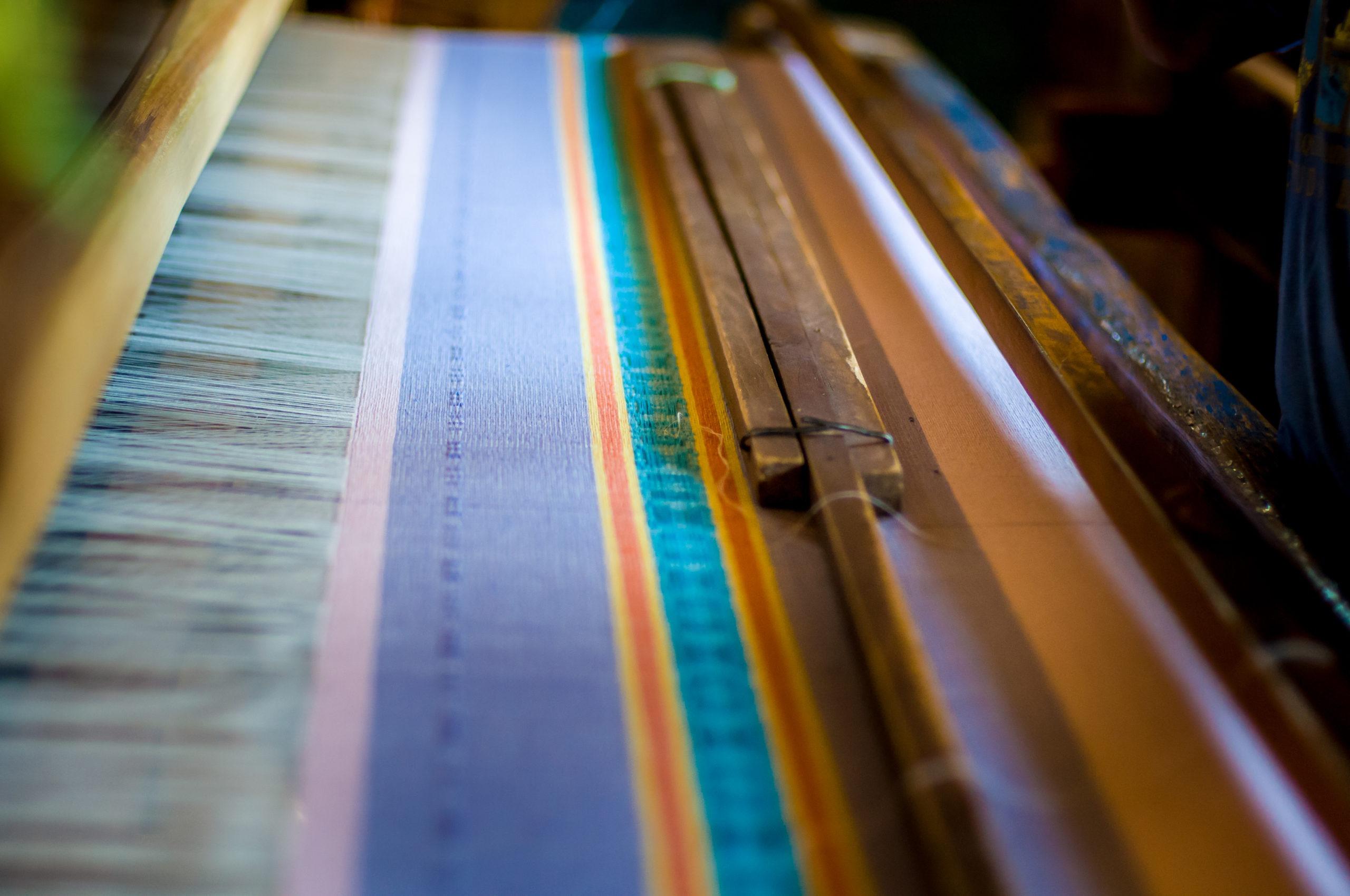
A pedal loom, sheep's wool and a red drawn from an insect, the cochineal. In Teotitlán del Valle these are the materials of the tapete, the handwoven wool rug that has given this village of the Central Valleys its name in textiles. Other communities in Oaxaca weave them too, but Teotitlán is the one most… Read more
At the Oaxacan Table: Maize, Mole and Comal
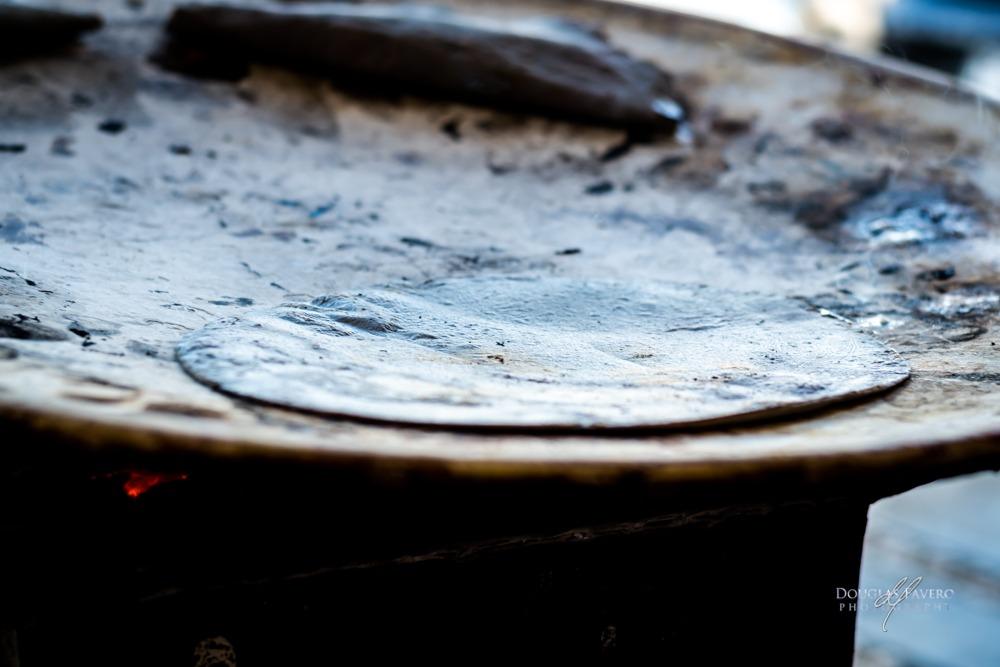
In Oaxaca the table begins at the comal. On that flat, hot griddle the tortilla is made, and from the tortilla come nearly all the dishes that define the state's cooking. Oaxacan cuisine changes from region to region: in the Central Valleys the tamal is not the pilté of the Papaloapan, which is made with… Read more
Oaxaca's Ethnobotanical Garden, a Dominican Orchard Reborn
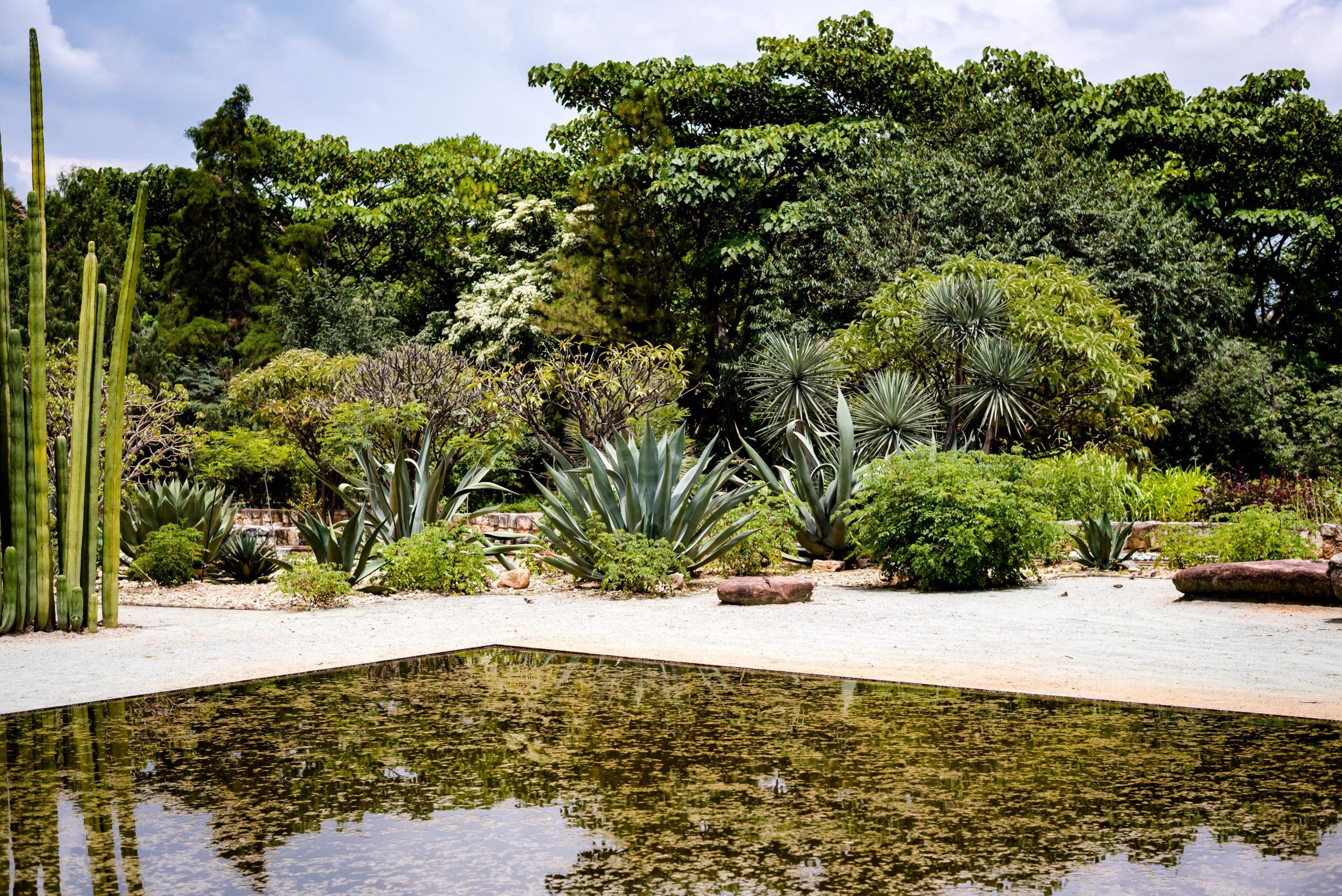
Behind the former convent of Santo Domingo lies a garden that was once an orchard. The Dominican friars used it as an orchid house and a kitchen garden, and the ground still shows traces of that daily life: the remains of ovens, irrigation canals, ponds and a cobbled avenue. Today the same space gathers plants… Read more
HOW DID DAY OF THE DEAD ARISE?
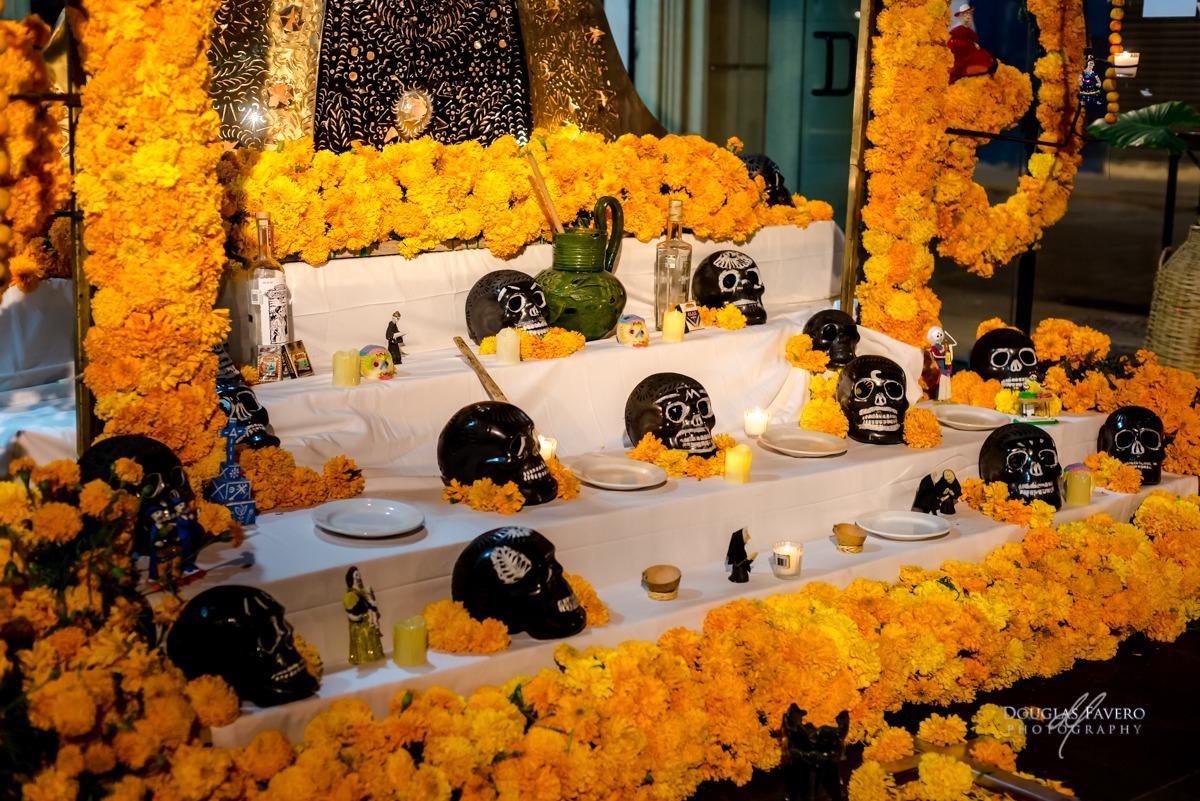
THE CURRENT ALTARS / OAXACA Many may think that the offering of things at the altar is of pre-Hispanic origin, and it is not, it is something of totally Catholic origin. There was an investigation, led by Dr. Elsa Malvido, a historian of the INAH, (National Institute of Anthropology and History) to clarify that this… Read more
PREHISPANIC DAY OF THE DEAD
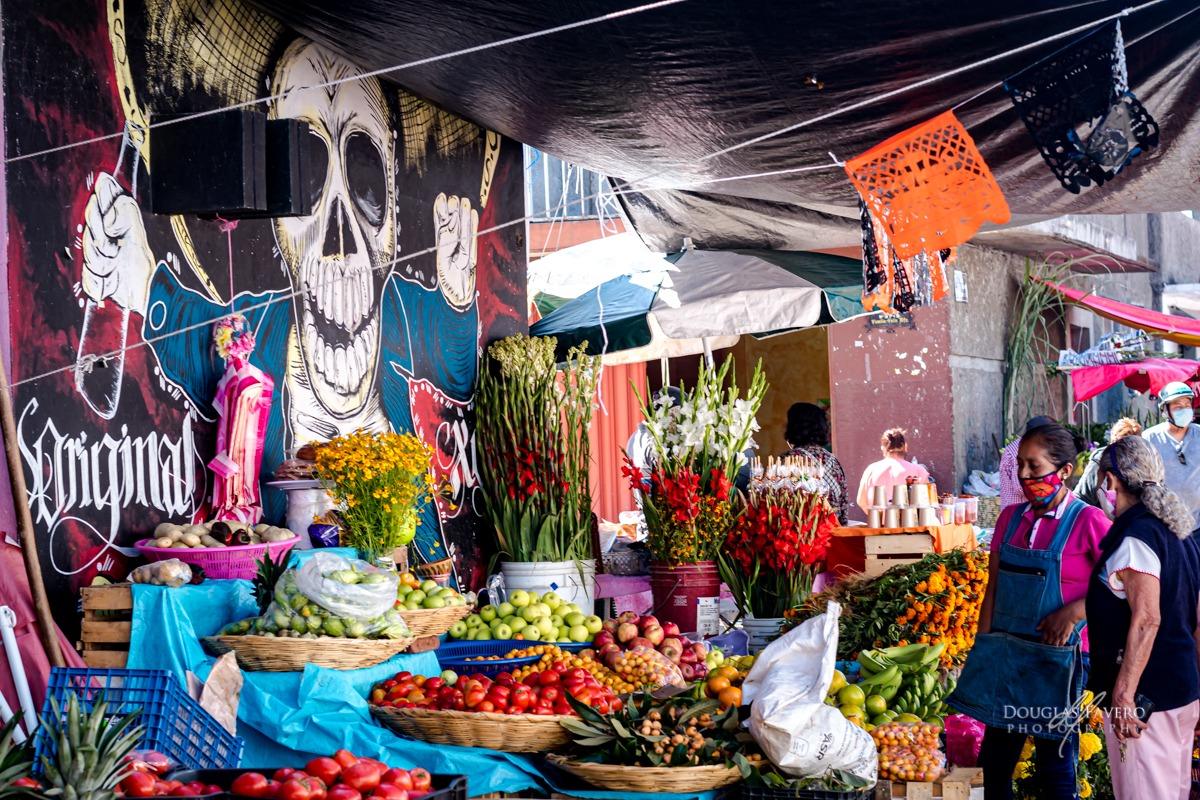
As mentioned in the previous post, the Day of the Dead is a celebration that dates back to pre-Columbian times. With the arrival of the Spaniards it began to change, but how did it all begin? Here is the answer. Actually, the current Day of the Dead, or better said, All Saints Day, is almost… Read more